Poker Dealer Career Preparation
Prepare for Professional Poker Dealer Jobs
Explore live poker rooms in eastern PA and Delaware
Build your skills and understand the path toward casino employment. Book Now
If you are interested in poker dealer jobs in Philadelphia or elsewhere in Pennsylvania, professional preparation is an important starting point. Casino poker rooms need dealers who understand the games, manage betting action correctly, handle cards and chips efficiently, and communicate professionally with players and supervisors.
How To Become A Poker Dealer helps aspiring dealers develop those abilities through state-licensed poker dealer training. Students also receive guidance about casino auditions, the hiring process, and the practical steps involved in pursuing employment. Graduates can receive additional practice time to strengthen their skills before auditions. Employment decisions remain with individual casinos and other authorized employers.
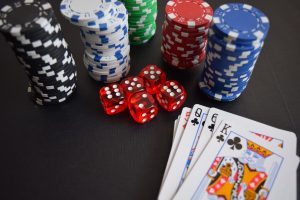
Poker dealing is a specialized career requiring technical ability, consistency, and confidence at the table. Understanding what employers expect can help aspiring dealers prepare more effectively. Our approach combines professional skill development with practical guidance about the process of seeking work in a casino poker room.
Poker dealers distribute cards, manage betting action, organize pots, verify winning hands, enforce established procedures, and maintain the flow of the game. They must pay close attention to the table while communicating clearly with players and supervisors.
Casino auditions may assess shuffling, pitching, chip handling, pot calculations, betting procedures, game knowledge, accuracy, and overall table control. Requirements vary by employer, so candidates should review the expectations for each opportunity.
Practice helps aspiring dealers develop consistency and confidence. Training emphasizes real dealing procedures, and graduates may return for additional practice to work on the skills they expect to demonstrate during auditions.
Casino employers may require applications, interviews, auditions, background checks, and regulatory approvals. Pennsylvania gaming employment requirements depend on the position and applicable rules. Candidates should confirm current requirements with the employer and relevant regulatory authorities.
Poker dealer positions may become available through casino career departments and other authorized gaming employers. Openings, schedules, and qualifications change over time. Students receive guidance on approaching the search and understanding the application process.
Knowledge of Texas Hold'em, Omaha, Seven Card Stud, Draw games, mixed games, and different betting structures can help candidates prepare for varied poker room responsibilities. Employers determine which games and skills are required for each position.
A capable dealer must do more than handle cards accurately. Professional communication, patience, attention to detail, and the ability to remain composed are important qualities in a busy poker room.
Graduates may receive additional practice opportunities and guidance as they prepare for auditions and navigate hiring procedures. The focus is on helping each graduate take informed steps toward pursuing employment.
| Service | Estimated Cost | Average |
|---|---|---|
| Poker Dealer Career Preparation | Discuss during your scheduled call | Guidance connected to training |
| Graduate Audition Practice | Discuss available arrangements | Varies by preparation needs |
This service provides training-related career guidance and audition preparation, not paid job placement or a guarantee of employment. Any tuition or applicable program arrangements are discussed directly.
Learn from an instructor with more than a decade of professional poker dealing experience.
Training emphasizes the skills that candidates may need to demonstrate during casino poker dealer auditions.
Graduates may return for additional practice and receive guidance while navigating the hiring process.
The program concentrates on professional poker dealer careers rather than general casino employment training.
Students receive guidance about pursuing opportunities without promises of guaranteed jobs or hiring outcomes.
Discuss the responsibilities of professional poker dealers and the training needed to begin developing those skills.
Practice the poker games, betting structures, chip handling, and table procedures used in professional poker rooms.
Work on accuracy, communication, attention, and consistent table management.
Practice dealing under observation and continue refining skills through available graduate practice opportunities.
Learn how to approach casino hiring departments, review available positions, and understand employer requirements.
Prepare for the application, audition, interview, and applicable regulatory steps required by potential employers.