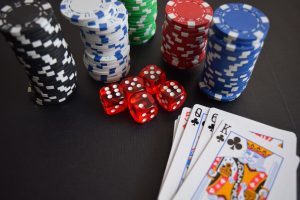
Hands-On Professional Poker Training
Learn to Deal Poker Like a Professional
Develop the skills used in real casino poker rooms. Book Now
Our poker dealer training program in Philadelphia, Pennsylvania, helps aspiring dealers learn the procedures, techniques, and professional habits used in casino poker rooms. Whether you are new to poker or already familiar with the games, training focuses on developing practical dealing skills through direct instruction and repeated hands-on practice.
Students learn to deal Texas Hold'em, Omaha, Seven Card Stud, Draw games, and mixed games, including No-Limit, Limit, and Pot-Limit betting structures. Instruction also covers chip handling, pot calculations, betting procedures, game control, and professional communication. The goal is to prepare students to demonstrate their abilities during casino poker dealer auditions and pursue employment opportunities.
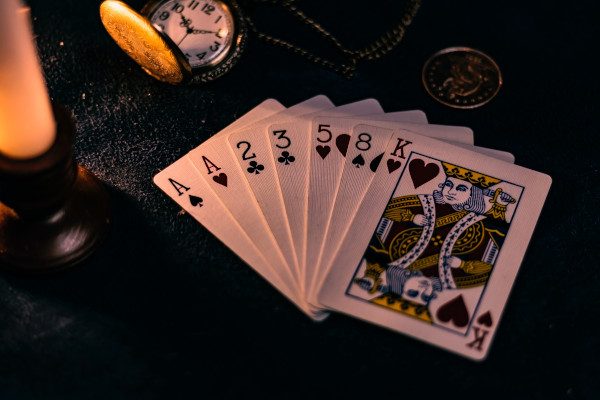
Professional poker dealing requires accuracy, attention, and the ability to manage several responsibilities at once. Our training breaks these responsibilities into practical skills so students can understand each part of the job before combining them at the table. Instruction is based on real poker room experience and includes the different game formats that professional dealers may encounter.
Learn the correct procedures for dealing Texas Hold'em, including button movement, blinds, hole cards, community cards, betting rounds, and determining winning hands. Practice managing the action in both cash-game and applicable tournament-style situations while maintaining consistent dealing habits.
Develop the skills required to deal Omaha and understand the differences between Omaha and Texas Hold'em. Training addresses four-card starting hands, proper hand construction, pot management, and the procedures used in Omaha games, including common high-low formats.
Learn the dealing sequence, antes, bring-in procedures, exposed cards, betting rounds, and hand-reading requirements of Seven Card Stud. Instruction also introduces relevant high-low variations and the responsibilities involved in keeping Stud games organized.
Practice dealing Draw games and understanding the procedures used when players exchange cards. Learn how mixed-game formats rotate between poker variants and why dealers must recognize the rules, betting structures, and dealing sequences of each game.
Understand minimum bets, legal raises, all-in wagers, action reopening, and side-pot situations. Practice communicating betting action clearly and managing the table when players make wagers of different sizes.
Learn fixed betting increments, raise limits where applicable, and the calculations used to determine legal Pot-Limit wagers. These structures require careful attention to betting amounts, pot size, and the sequence of action.
Build control and consistency in shuffling, pitching, collecting cards, cutting chips, counting wagers, and organizing the pot. Repeated practice helps students improve accuracy and develop the smooth movements expected of professional dealers.
Learn professional table conduct, player communication, game protection, correct betting procedures, and when to request assistance from poker room supervisors. Instruction emphasizes maintaining a fair, organized, and efficient game.
Prepare to demonstrate your dealing skills under observation. Graduates may return for additional practice and receive feedback on areas that need improvement before pursuing casino poker dealer auditions.
| Service | Estimated Cost | Average |
|---|---|---|
| Professional Poker Dealer Training | Discuss during your scheduled call | Program details provided directly |
| Casino Audition Preparation for Graduates | Discuss available graduate practice arrangements | Based on individual preparation needs |
Tuition, payment arrangements, program duration, class availability, and graduate practice details are explained during a scheduled conversation. No tuition amount or program schedule is represented here without confirmation.
The curriculum focuses on poker dealing rather than unrelated casino table games. Students spend their training time developing skills relevant to professional poker rooms.
Instruction reflects more than a decade of experience working as a professional poker dealer.
Students learn directly from the owner and instructor, with feedback that helps identify strengths and areas needing additional practice.
Learn multiple poker variants and betting structures to develop the flexibility expected in professional poker rooms.
Additional practice opportunities and hiring-process guidance help graduates prepare for the next stage of their career journey.
Submit your contact information and request a call. You will receive a reply with a scheduling link to arrange a conversation about the training program.
Talk about your familiarity with poker, career interests, program expectations, and questions about professional dealing.
Learn the fundamental procedures of poker dealing and practice handling cards, chips, betting action, and table responsibilities.
Progress through Texas Hold'em, Omaha, Seven Card Stud, Draw and mixed games, and the different betting structures.
Work on accuracy, game control, dealing consistency, and the ability to perform under observation.
Receive guidance on the casino hiring process and use additional graduate practice opportunities when available to continue preparing.